

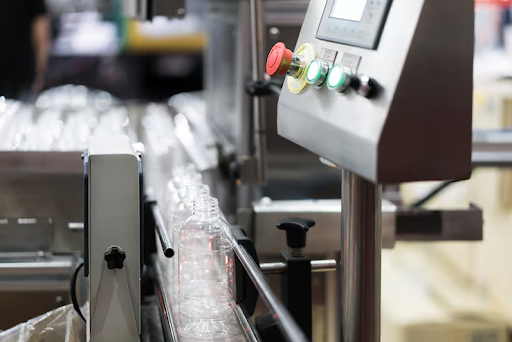
Packaging in the chemical and industrial sector is far more complex than simply sealing a product inside a container. It requires specialized machinery, strict safety protocols, and adherence to international trade rules. The use of packaging equipment and parts designed for heavy-duty and sensitive applications ensures that products are contained safely while also meeting compliance standards. Whether it’s hazardous chemicals, industrial lubricants, or powders, the right system can prevent accidents, improve efficiency, and maintain global trade competitiveness.
Why Packaging Equipment Must Be Specialized
Unlike consumer goods, chemical and industrial products present unique risks. Many are corrosive, volatile, or reactive to certain materials. Standard machines cannot handle such substances without compromising safety. Customized packaging equipment and parts allow manufacturers to control variables such as pressure, sealing strength, and material compatibility. For instance, pumps and valves made from stainless steel or high-grade polymers are often needed to prevent corrosion. Similarly, anti-leak seals and tamper-proof closures protect both workers and end-users.
In addition, packaging for industrial products must withstand rough transportation. Palletizing, shrink-wrapping, and reinforced containers are often integrated into equipment systems to ensure that products survive long shipping journeys. This makes the choice of equipment not just a matter of productivity, but also one of safety and reliability.
Automation and Smart Technology in Packaging
Automation is transforming how companies manage industrial packaging. Modern systems come with sensors that detect leaks, inconsistencies in fill levels, or errors in labeling. Automated packaging equipment and parts reduce the risk of human error, which is particularly crucial in industries where spills or contamination could cause serious harm.
Smart packaging systems also connect to digital monitoring dashboards. Managers can track production in real time, assess machine performance, and predict when maintenance is required. This reduces downtime and extends the lifespan of expensive parts. The ability to replace faulty components before they fail completely adds to overall operational efficiency.
Safety and Compliance Considerations
Every region has strict guidelines for handling and transporting chemicals. Failing to comply can lead to penalties, accidents, or even full-scale recalls. Packaging equipment that is designed with compliance in mind helps businesses meet these requirements. Features like child-resistant caps, chemical-resistant linings, and secondary containment layers are often essential.
This is also where trade documentation comes into play. Companies exporting chemical or industrial goods within North America must often provide a NAFTA certificate to demonstrate that their products qualify for preferential tariffs under the North American Free Trade Agreement. While the agreement has been updated to USMCA, the term NAFTA certificate is still widely used in reference to compliance paperwork. Packaging systems that can generate accurate documentation, labeling, and traceability records ensure smoother customs clearance and reduce delays.
Customization for Different Products
Not all chemicals or industrial goods can be packaged with the same setup. For example, flammable liquids may require explosion-proof filling equipment, while powdered products may need dust-control systems to maintain worker safety. Custom packaging equipment and parts can be tailored for viscosity, weight, or container size.
Flexibility is another key factor. Many manufacturers work with diverse product lines, meaning their equipment must be capable of quick adjustments. Modular designs allow parts to be swapped out for different applications without requiring an entirely new system. This adaptability reduces costs and supports faster response times to changing market demands.
Environmental and Sustainability Pressures
Sustainability is reshaping packaging across all industries, and chemicals are no exception. Manufacturers are under pressure to minimize waste and switch to eco-friendly materials where possible. Packaging systems today are designed to use less energy, cut down on excess material, and improve recyclability. For instance, precision filling equipment reduces product waste, while optimized sealing prevents leaks that could result in contamination.
Recyclable drums, reusable intermediate bulk containers (IBCs), and biodegradable linings are gaining traction in the sector. By adapting packaging equipment and parts to handle these new materials, businesses can remain compliant with environmental regulations while appealing to eco-conscious customers.
Global Trade and Market Competitiveness
The chemical and industrial sectors are deeply interconnected with global trade. Efficient packaging is not just about protecting products—it’s also about speed and cost-effectiveness. Exporters who streamline their packaging processes gain a competitive edge by reducing shipping delays and avoiding penalties for non-compliance.
Proper trade paperwork, like the NAFTA certificate, becomes a crucial part of this ecosystem. When paired with advanced packaging equipment, companies can ensure that goods are not only physically secure but also legally ready for international transport. This combination of technical and administrative efficiency builds trust with customers and regulators alike.
Conclusion
Adapting packaging machinery for chemical and industrial products is about balancing safety, efficiency, and compliance. From specialized seals and corrosion-resistant materials to automated monitoring systems, the right packaging equipment and parts can make a significant difference in productivity and risk reduction. At the same time, global trade frameworks like the NAFTA certificate play a pivotal role in ensuring smooth international operations.
In the end, businesses that invest in both advanced equipment and regulatory compliance position themselves for long-term success. They protect their workers, safeguard their products, and gain the flexibility needed to thrive in a constantly evolving industrial marketplace.


