Many venue owners believed their existing sound systems would remain sufficient for years. After all, if the speakers still produced sound and the audience could hear the music, what was the urgency to change? That assumption is now starting to crack. Across hospitality, retail, and event spaces, upgrades are happening faster than expected.
The shift is not driven by fashion. It is driven by pressure from audience expectations that have quietly risen. Visitors no longer judge a venue only by visuals or service quality. They notice clarity, balance, and how evenly sound travels across the room. Even small distortions or dead zones stand out more than they did a few years ago.
What changed is simple but significant. People now consume high-quality audio daily through headphones, streaming platforms, and home systems. Their ears have adapted. When they enter a physical space with flat or uneven sound, the difference becomes obvious. Venue owners are starting to recognize that audio quality directly shapes how long guests stay and how they perceive the brand.
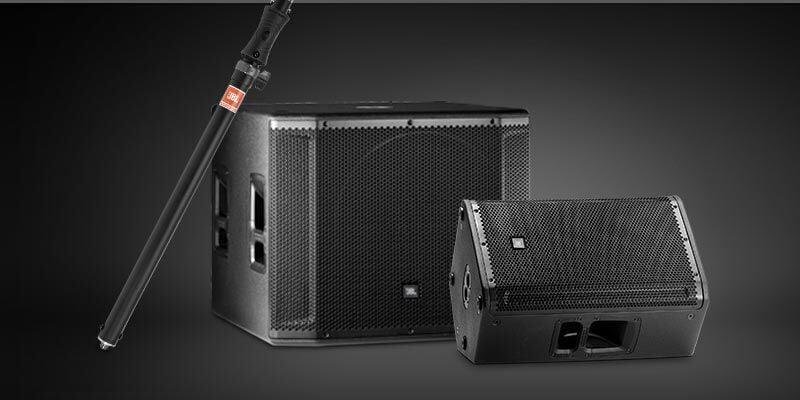
This explains the growing move toward professional loudspeakers in spaces that previously relied on basic commercial units. The goal is not just higher volume. It is controlled coverage. Modern systems allow sound to reach the back corner of a room without overwhelming guests near the stage or counter. That level of precision was once seen as excessive for mid-sized venues. Today it is becoming standard.
There is also a technical layer behind these upgrades that many outsiders overlook. Older systems often struggle with today’s mixed-use venues. A single space may host background music during the day, live DJs at night, and corporate events on weekends. Legacy equipment was rarely designed for that level of flexibility. Operators end up constantly adjusting levels, yet still compromise on quality.
Newer audio solutions reduce that friction. With better tuning capabilities and more consistent frequency response, venue teams spend less time correcting sound problems. Staff can focus on the customer experience instead of managing complaints about volume spikes or muffled announcements. Over time, this operational ease becomes a strong business argument for upgrading.
There is also a competitive dimension that cannot be ignored. In dense urban areas, customers have choices. If two venues offer similar food or entertainment, subtle factors start to influence repeat visits. Clean, immersive sound contributes more to atmosphere than many operators initially expect. It shapes mood without drawing attention to itself. When done well, guests simply feel more comfortable and stay longer.
Because of this, investment decisions are shifting. Rather than treating audio as a background utility, more owners are placing it inside their broader experience strategy. This is where professional loudspeakers are being evaluated alongside lighting, layout, and digital displays. Sound is no longer the final item on the checklist. It is becoming part of the core design conversation.
Financial logic also plays a role. While upgrade costs can appear high at first glance, many venues are discovering that modern systems are more energy efficient and require less reactive maintenance. Fewer emergency fixes and better reliability gradually offset the initial spend. For operators managing tight margins, that predictability matters.
Looking ahead, the pace of upgrades is unlikely to slow. Expectations rarely move backwards once audiences become accustomed to higher quality environments. Venues that delay improvements may still function, but the gap between acceptable and impressive continues to widen.
This year’s wave of sound system upgrades is not about chasing trends. It reflects a deeper realization among operators. Audio quality influences dwell time, perceived professionalism, and overall guest comfort more than many assumed. As this understanding spreads, the move toward professional loudspeakers will likely continue, not as a luxury choice, but as a practical step in staying competitive.