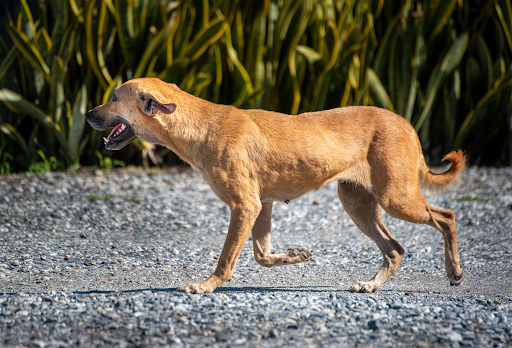
Few things frighten a pet owner faster than a dog that suddenly cannot stand or drags its hind end. The change can happen in minutes, often after a jump or a normal walk, and the instinct is to wait and see.
Waiting is the wrong response. Sudden paralysis in dogs is a neurological emergency, and the speed of evaluation influences outcomes. Understanding how dog back leg paralysis treatment works helps owners act quickly and ask the right questions.
Why It Happens
The most common cause is a problem in the spinal cord. Intervertebral disc disease, in which a disc bulges or bursts into the spinal canal, is a frequent culprit, especially in long-backed breeds such as Dachshunds and French Bulldogs, though any breed can be affected. Other causes include fibrocartilaginous embolism, a blockage of blood supply to the spinal cord, along with trauma, infection, inflammation, and tumors.
Because these conditions look similar at home but need different treatment, diagnosis comes before any plan for dog back leg paralysis treatment.
Signs That Mean Go Now
Seek emergency care if your dog drags the back legs, cannot stand, crosses the paws, wobbles, or cries out when touched along the spine. Loss of bladder control, or an inability to urinate, raises urgency further. Some dogs show only a stiff, hunched posture or reluctance to move, and these early signs deserve a prompt exam as well.
Keep your dog calm and confined. Carry them with support under the chest and hips, and avoid stairs. Never give human pain relievers, because many are toxic to dogs. A specialist or emergency clinic will advise on safe medication.
How the Diagnosis Unfolds
A neurological exam comes first. The veterinarian tests reflexes, posture, and sensation, including whether the dog can perceive a firm toe pinch, called deep pain perception. This single finding matters. A published review of prognostic factors in canine disc disease reports that loss of deep pain perception signals a worse outcome.
Advanced imaging, usually MRI or CT, then shows the spinal cord and pinpoints the cause. Imaging is what separates a disc rupture needing surgery from a vascular event or a tumor, which is why dog back leg paralysis treatment starts with accurate diagnosis.
Treatment Paths
Options depend on the cause and severity. Dogs with mild signs and intact sensation may be managed medically with strict rest, pain control, and close monitoring. Dogs that cannot walk, or whose signs are worsening, are often candidates for surgery to remove the material pressing on the spinal cord.
Owners seeking specialized dog back leg paralysis treatment can find more detail on the Veterinary Neurology Chesapeake sudden paralysis page. Whichever route is chosen, the timing of care and the severity at presentation are among the strongest predictors of how well a dog recovers.
Rehabilitation and Home Care
Recovery rarely ends with the procedure. Rehabilitation, which can include assisted walking, hydrotherapy, balance exercises, and home stretching, helps nerves and muscles relearn their roles. Progress is gradual, and some dogs take weeks or months to regain steady movement.
Dogs that cannot walk need practical care. Many cannot empty the bladder normally, so owners may be taught to express it. Soft bedding, frequent turning, and careful cleaning protect against pressure sores and urine scald. Non-slip flooring helps dogs find their footing.
Setting Realistic Expectations
Many dogs walk again, including some that lost deep pain perception, but outcomes cannot be guaranteed. Recovery depends on the cause, the severity, how quickly treatment started, and the individual dog. Ask the specialist for an honest estimate based on your pet’s exam and imaging, and discuss what a good quality of life looks like if progress is partial.
Questions to Bring to the Neurology Team
Write down your questions before the visit. What do you think is causing this? Which tests do you recommend? What are the treatment options, and what outcome do you expect with each? How long is hospitalization likely to be? What will recovery require at home? Understanding the plan helps you consent confidently, and it makes dog back leg paralysis treatment feel less overwhelming.
Ask about cost early, including imaging, surgery, hospitalization, and rehabilitation. Financial limits are a reality for many families, and a good specialist will help you weigh options honestly. Pet insurance, payment plans, or veterinary financing may be available, and asking is never inappropriate.
Reducing the Risk of Another Episode
Some causes cannot be prevented, but risk can be lowered. Keep your dog at a healthy weight, since extra pounds load the spine. Use ramps for furniture and cars, avoid rough jumping, and consider a harness rather than a collar for breeds prone to disc problems. After dog back leg paralysis treatment, follow rehabilitation instructions closely, because a strong core and steady movement protect the spine.
Conclusion
A dog that suddenly loses use of its back legs needs prompt veterinary neurology care, not a wait-and-see approach. Early evaluation, accurate imaging, and a plan tailored to the cause give your pet the best chance. Understanding what dog back leg paralysis treatment involves will help you make confident decisions during a stressful time.