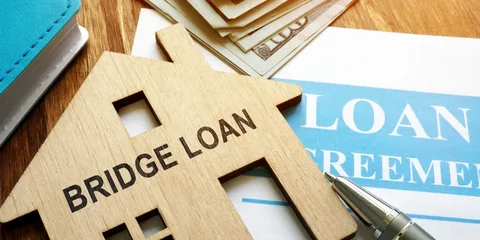
A bridge loan is a short-term financing option that helps individuals and businesses meet immediate financial needs while waiting for long-term funding or the sale of assets. These loans act as a “bridge,” offering quick access to funds to cover temporary gaps in cash flow. They are commonly used in real estate transactions, business expansions, and other situations requiring immediate capital. In this article, we’ll explore the concept of bridge loans, their benefits, and situations in which they can be a viable solution. We’ll also touch upon how they compare to other types of unsecured loans.
What is a Bridge Loan?
A bridge loan is a short-term loan designed to provide immediate financing for borrowers who need capital before securing long-term funding. The tenure for most bridge loans typically ranges from 6 to 12 months, though some may extend slightly longer. Because bridge loan are repaid quickly, they often come with higher interest rates compared to traditional loans.
Bridge loans are usually secured loans, meaning they are backed by collateral such as your property or other physical assets. Financial institutions use this collateral to reduce their risk, which allows borrowers faster access to funds. However, unsecured bridge loans also exist for those who may not wish to or cannot provide collateral. These are riskier for lenders and therefore carry even higher interest rates.
Features of Bridge Loans
Several characteristics differentiate bridge loans from other types of loans. Below are the key features:
1. Short-Term Financing
Bridge loans are designed to cover short-term financial needs. They are ideal for situations requiring immediate capital when long-term financing isn’t yet available.
2. High Interest Rates
Since bridge loans are temporary and involve greater risk to the lender, they come with higher interest rates compared to traditional loan options.
3. Quick Approval Process
Bridge loans have a faster approval process than conventional loans. Lenders provide funds quickly due to the short duration and specific purpose of the loan.
4. Collateral or Unsecured Options
While most bridge loans are secured by collateral, there are unsecured options available for qualified borrowers with strong credit and financial standing.
When Should You Use a Bridge Loan?
Bridge loans are not suitable for every borrower, but they can be incredibly beneficial in certain situations. Below are common scenarios in which using a bridge loan can be advantageous:
1. Buying a New Home Before Selling the Existing One
Bridge loans are widely used in real estate transactions, particularly when you are purchasing a new home but haven’t sold your current property yet. The loan helps you cover the down payment or other costs associated with buying the new house. For example, if you’ve found your dream home but are still waiting for your current property to sell, a bridge loan can provide the immediate funds needed for moving forward with the purchase.
2. Business Expansion or Working Capital Needs
Businesses often use bridge loans to maintain operations or expand while awaiting additional funding. This could include covering payroll, purchasing equipment, or other immediate expenses. For instance, a rapidly growing business may need a bridge loan to renovate or purchase a new location while waiting for long-term financing from investors or a loan program.
3. Short-Term Financial Emergencies
Individuals or businesses facing short-term financial emergencies can benefit from bridge loans. This allows them to navigate temporary hurdles without disrupting their plans for growth, development, or stability.
Comparing Bridge Loans to Other Types of Unsecured Loans
Bridge loans are fundamentally different from other types of unsecured loan in terms of purpose, interest rates, and risk. Understanding these differences is essential for borrowers considering their financial options.
1. Secured vs. Unsecured Loans
One major difference between bridge loans and unsecured loans is whether collateral is required. Bridge loans are usually secured, backed by property or assets, while unsecured loans do not require collateral. For borrowers who cannot offer collateral, unsecured loans may be a better option, but the interest rates will typically be higher and the loan amounts lower. Unsecured loans often include personal loans, credit card loans, and small business loans. These loans are more common for borrowers with strong credit ratings or those who need smaller amounts of money.
2. Interest Rates
Both bridge loans and unsecured loans often come with higher interest rates than traditional mortgages or business loans, but bridge loans generally have even higher rates due to their short-term nature and the lender’s risk level. Borrowers should weigh the advantages of quick approval and flexible repayment schedules against the added cost.
3. Loan Terms
The repayment period for a bridge loan is usually shorter than that of most unsecured loans. While unsecured loans could have repayment periods ranging from 1 to 5 years, bridge loans are typically repaid within 6 to 12 months.
Types of Unsecured Loans
While discussing bridge loans, it’s also helpful to understand the types of unsecured loans borrowers may consider as alternatives. Below are the popular types of unsecured loans:
1. Personal Loans
Personal loans are a common type of unsecured loan and can be used for various purposes, from funding large expenses to consolidating debt. These loans don’t require collateral and vary in terms of interest rates based on the borrower’s credit score.
2. Credit Card Loans
Credit cards offer a line of credit that can be used whenever needed. If you require quick funds for small purchases or expenses, a credit card loan or cash advance might be a convenient option—though it comes with higher interest rates.
3. Business Unsecured Loans
Businesses can apply for unsecured loans to meet immediate financial needs without putting up collateral. These loans typically require a strong credit history and a proven track record of revenue generation.
4. Student Loans
Some student loans, especially federal ones, are unsecured and do not require collateral. These loans can help finance education costs, making them another example of unsecured lending.
Pros and Cons of Bridge Loans
If you’re considering taking a bridge loan, it’s essential to evaluate the advantages and disadvantages to determine if this is the right financing solution for you.
Pros
Quick Access to Funds: Bridge loans are processed faster, which is invaluable in time-sensitive situations.
Helps Cover Financial Gaps: Whether waiting for a property sale or long-term funding, bridge loans provide temporary capital to meet expenses without delay.
Flexible Use: Bridge loans are versatile, allowing borrowers to use the funds for various purposes, such as home purchases or business needs.
Cons
Higher Interest Rates: Because they are short-term, bridge loans tend to carry higher interest rates.
Risk of Repayment Challenges: If long-term funding or asset sales are delayed, repayment can become a significant hurdle.
Collateral Requirement: Most bridge loans require borrowers to offer collateral, which may be a disadvantage for some.
Conclusion
Bridge loans serve as a vital financial tool for individuals and businesses facing temporary cash-flow gaps. They are ideal for scenarios such as buying a new home before selling the existing one, solving short-term business financing needs, or navigating emergencies. While bridge loans can offer quick access to funds, borrowers should weigh the higher interest rates and repayment risks against the benefits they provide.
For those who cannot provide collateral or prefer long-term repayment, other types of unsecured loans such as personal loans or credit card loans could serve as viable alternatives. Ultimately, the decision to borrow depends on your financial situation, repayment ability, and long-term objectives.
Understanding the ins and outs of bridge loans equips borrowers to make informed decisions that meet their immediate and future financial needs. If you find yourself in a position requiring temporary financing, a bridge loan may be the perfect solution to help you transition to the next stage of your goals seamlessly.