

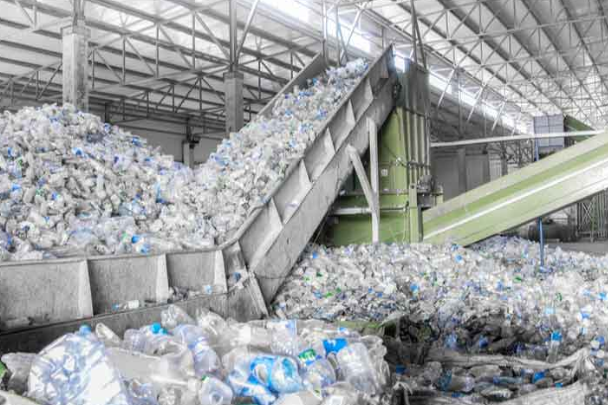
Plastic waste has become one of the most pressing environmental issues of the modern age. Every year, millions of tons of plastic end up in landfills, oceans, and ecosystems, contributing to pollution, harming wildlife, and contributing to climate change. In response to this crisis, plastic recycling has emerged as one of the most effective strategies for mitigating the environmental damage caused by plastic. This comprehensive guide explores how plastic recycling helps combat climate change and highlights the role of innovative recycling practices, including efforts in regions like Australia.
The Link Between Plastic Waste and Climate Change
Before diving into the specifics of how plastic recycling aids in the fight against climate change, it’s essential to understand the connection between plastic production, waste, and global warming. Plastic is primarily made from petrochemicals, which are derived from fossil fuels like oil and natural gas. The production of plastic is energy-intensive, contributing significantly to carbon emissions. In fact, the plastic industry is responsible for a large share of global greenhouse gas emissions, not only during manufacturing but also through transportation and disposal.
Furthermore, when plastic waste is not properly managed, it can persist in landfills for hundreds of years, slowly decomposing and releasing methane—a potent greenhouse gas—into the atmosphere. Additionally, when plastic enters oceans, it degrades into microplastics, which can also release carbon and other pollutants. The cumulative effect of these factors exacerbates climate change, making effective plastic recycling a crucial solution.
The Role of Plastic Recycling in Reducing Carbon Footprint
Plastic recycling plays a key role in reducing the carbon footprint associated with plastic production and waste. By recycling plastic, the need for virgin plastic production is significantly decreased. This reduces the energy demand and carbon emissions that would otherwise result from extracting raw materials, manufacturing plastic products, and transporting them.
For instance, recycling plastic materials such as polyethylene terephthalate (PET), commonly used in bottles, requires less energy than producing new PET plastic from raw oil or gas. By recycling PET, the carbon emissions associated with its production can be reduced by up to 80%. This significant reduction in emissions helps in mitigating climate change.
How Plastic Recycling Helps Save Energy
The energy savings associated with plastic recycling are one of the most compelling reasons to invest in recycling programs. Producing new plastic from raw materials is an energy-intensive process that consumes significant amounts of fossil fuels. However, when plastic is recycled, the energy required is far lower. For example, recycling a ton of plastic can save up to 1,000 to 2,000 gallons of oil and reduce energy consumption by around 80%. This reduction in energy usage directly correlates with fewer carbon emissions, helping to lessen the overall impact on global warming.
Additionally, when plastic is recycled, the material can be reused multiple times to produce new products, further extending its lifecycle. This circular economy model not only conserves resources but also reduces the need to extract and process new materials, all of which have a carbon cost.
The Impact of Plastic Recycling in Australia
Australia, like many other nations, faces challenges related to plastic waste management and climate change. In recent years, the Australian government and various organizations have taken significant steps to enhance plastic recycling efforts across the country. For example, the National Waste Policy Action Plan aims to increase the national plastic recycling rate and reduce the amount of plastic waste sent to landfills. By 2025, Australia is committed to recycling 70% of its plastic packaging.
In addition to national efforts, regional communities and businesses are also embracing plastic recycling to combat climate change. Plastic recycling in Australia helps reduce the country’s reliance on imported plastic products and promotes local recycling infrastructure. This, in turn, creates jobs, saves energy, and contributes to the reduction of carbon emissions associated with plastic production and disposal.
Australia has also made significant strides in tackling plastic waste in the oceans. With campaigns to reduce single-use plastics and improve recycling practices, Australian communities are working together to address the plastic pollution crisis. The Australian government has introduced measures like banning certain single-use plastics, encouraging consumers to reduce waste, and improving waste sorting at recycling facilities to ensure more plastics are recycled properly.
Closing the Loop: The Importance of Circular Economy in Plastic Recycling
One of the most important aspects of plastic recycling is its potential to create a circular economy. This concept involves recycling materials into new products, reducing the need for virgin resources and minimizing waste. By promoting the recycling of plastics, we can ensure that fewer new plastics are produced, which decreases the demand for oil and gas, reducing the overall carbon footprint of plastic products.
In this model, products are designed with their end-of-life in mind, making it easier to recycle and reuse plastic materials. Companies that adopt circular economy principles contribute to reducing plastic waste, preserving natural resources, and lowering emissions. Governments, businesses, and consumers all have a role to play in supporting this shift toward a more sustainable, low-carbon future.
The Role of Waste Management Equipment in Improving Recycling
Effective plastic recycling requires sophisticated waste management equipment to properly collect, sort, and process recyclable materials. Advanced machinery, such as shredders, compactors, and balers, is essential for breaking down plastic waste into smaller, reusable pieces. Additionally, sorting equipment ensures that plastics are correctly categorized for recycling, improving the overall efficiency of the process.
In many countries, including Australia, investments in modern waste management equipment are key to improving recycling rates. These innovations allow for greater precision and speed in sorting, leading to more plastic being recycled and less ending up in landfills. As recycling technologies continue to evolve, the role of waste management equipment in supporting sustainable plastic recycling practices will become even more crucial.
Conclusion
Plastic recycling is a powerful tool in the fight against climate change. By reducing the need for virgin plastic production, conserving energy, and minimizing carbon emissions, recycling helps lower the environmental impact of plastic. With countries like Australia leading the charge in plastic recycling initiatives, we are seeing the positive effects of collective action. As the world continues to embrace the circular economy model, the role of plastic recycling in combating climate change will become even more vital. However, for recycling to be truly effective, it is essential to continue investing in advanced waste management equipment that ensures the efficient processing and reuse of plastic materials. Through these combined efforts, we can work towards a cleaner, greener future.


