Modern cosmetic dentistry offers multiple solutions for virtually every smile concern. With so many procedures available, understanding how each one works, what problems it solves, and how it compares to alternatives helps you make informed decisions about your smile transformation. This detailed comparison guide breaks down the most effective cosmetic treatments and their ideal applications.
Teeth Whitening: The Foundation of a Brighter Smile
Professional teeth whitening remains the most popular cosmetic dental treatment because it’s effective, affordable, and delivers immediate results. The procedure uses professional-strength bleaching agents—typically 15-35% hydrogen peroxide—far more potent than over-the-counter products.
In-office whitening produces results in 30-60 minutes. Your dentist applies protective barriers to your gums, then activates the bleaching gel with a special light. Multiple applications gradually lighten your teeth by multiple shades. Take-home professional trays deliver results over 2-3 weeks using custom-fitted trays and lower-concentration gel.
The limitations? Results aren’t permanent. Staining from coffee, red wine, and tobacco gradually returns, requiring touch-up treatments every 6-12 months. Additionally, whitening doesn’t address structural issues like chips or gaps—it only improves color. For significant discoloration or structural problems, combining whitening with bonding or veneers produces comprehensive results.
Bonding and Contouring: Quick Fixes for Minor Issues
Composite bonding addresses chips, cracks, and small gaps using tooth-colored resin. Your dentist shapes and hardens the material directly on your tooth in a single visit. The procedure is quick, reversible, and affordable—perfect for minor cosmetic concerns.
Bonding’s main limitation is durability. While it lasts 3-5 years with good care, it’s less durable than veneers or crowns. The material can stain and may chip under heavy bite pressure. For front teeth subjected to significant biting forces, veneers or crowns provide longer-lasting solutions.
Veneers: The Dramatic Transformation Option
Porcelain veneers create dramatic aesthetic improvements. These ultra-thin shells bond to your tooth’s front surface, completely reshaping appearance. A single veneer corrects one tooth; a full smile makeover uses 6-8 veneers across your visible smile line.
Unlike bonding, veneers require permanent tooth preparation—your dentist removes a thin enamel layer to accommodate the shell. This preparation is irreversible, meaning you’ll need veneer replacements indefinitely. However, veneers deliver superior aesthetics and durability, lasting 10-15+ years. They’re also more stain-resistant than bonding material.
The investment is significant—veneers typically cost $800-1,500 per tooth. For dramatic smile transformations addressing multiple concerns, veneers provide the most comprehensive results. They work for discoloration, shape issues, gaps, and minor alignment problems.
Crowns: Restoration with Aesthetic Benefits
Crowns serve both functional and aesthetic purposes. When teeth are damaged, decayed, or broken, crowns restore them while improving appearance. Unlike veneers that only cover the front, crowns encircle the entire tooth, providing maximum support and durability.
Like veneers, crowns require tooth preparation and are permanent solutions. They last 10-15+ years. The difference? Crowns are recommended when your tooth needs structural restoration, not just aesthetic improvement. If your tooth is healthy, veneers are the better choice. If your tooth is damaged, a crown is necessary.
Aligners: Addressing Alignment Issues
Invisible aligner systems straighten teeth without visible brackets or wires. You wear a series of custom trays that gradually shift your teeth into alignment over 6-18 months. Treatment is nearly invisible and more comfortable than traditional braces.
Aligners work best for mild to moderate misalignment. Severe cases may still require traditional braces. Aligners also require discipline—you must wear them 20-22 hours daily for results. They’re more expensive than braces but offer superior aesthetics during treatment.
Gum Contouring: Reshaping Your Smile
When your smile shows excessive gum tissue (“gummy smile”), gum contouring reshapes your gum line to reveal more tooth structure. The procedure uses lasers or scalpels to remove and contour gum tissue, creating better tooth-to-gum proportions.
This procedure works best when tooth size is normal but gum tissue is excessive. Recovery takes 1-2 weeks, with minimal discomfort. Results are immediate and permanent. However, gum contouring can increase tooth sensitivity by exposing the root, requiring careful post-operative management.
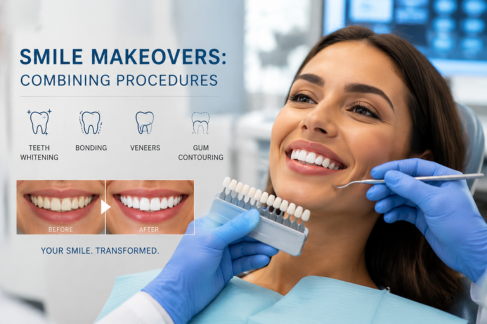
Smile Makeovers: Combining Procedures
Comprehensive smile transformations often combine multiple procedures. A typical makeover might include professional whitening, bonding or veneers for shape correction, and possibly gum contouring. Combining treatments addresses multiple concerns simultaneously while maximizing your smile’s potential.
If you’re considering cosmetic dentistry in Fort Worth, TX, professional guidance is essential. Your dentist assesses your specific concerns and recommends the most effective combination of treatments. Treatment sequencing matters too. For example, whitening is typically done before bonding or veneers, since existing restorations won’t whiten.
Choosing Your Path Forward
The ideal cosmetic treatment depends on your specific concerns, timeline, budget, and aesthetic goals. A comprehensive consultation with an experienced cosmetic dentist helps you understand your options and choose treatments that deliver the results you want. Whether you need minor refinement or dramatic transformation, modern cosmetic dentistry offers solutions tailored to your needs.