Joint pain, stiffness, or repeated injuries often affect movement and quality of life. In many cases, the cause lies deep inside the joint, where external treatments provide limited relief. Arthroscopic surgery helps doctors identify and treat these internal problems using small instruments and a camera. This approach allows accurate diagnosis and targeted correction in a single procedure. As awareness grows, patients often explore treatment options at the best arthroscopy hospitals in India, where experience and recovery outcomes matter. Understanding the conditions treated through arthroscopy helps patients recognise when this method may suit their joint concern.
Understanding Arthroscopic Surgery
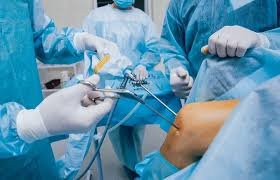
Arthroscopic surgery focuses on diagnosing and treating joint problems through minimally invasive techniques. Doctors insert a small camera into the joint through a tiny incision, which provides a clear internal view on a screen. Using specialised instruments, they repair or remove damaged tissue without fully opening the joint. This method reduces strain on surrounding muscles and ligaments. Patients usually experience less discomfort after surgery and begin movement sooner. Arthroscopy is often appropriate when scans do not fully explain pain, swelling, or restricted motion. The ability to diagnose and treat during one procedure improves efficiency and accuracy.
Knee Conditions Treated with Arthroscopy
The knee remains one of the most commonly treated joints due to sports injuries and daily stress. Meniscus tears develop when cartilage absorbs sudden force or twisting movement. Arthroscopy allows surgeons to repair or remove the torn section while protecting healthy cartilage. Ligament injuries, including anterior or posterior cruciate ligament damage, cause instability and difficulty during walking or sports. Arthroscopic techniques enable precise ligament reconstruction, thereby improving joint stability. Cartilage wear and loose fragments inside the knee often cause locking or swelling. Arthroscopy removes these fragments and refines damaged areas, restoring joint movement.
Shoulder and Upper Limb Conditions
Shoulder joints rely on balance and coordinated movement, which makes them prone to injury. Rotator cuff tears affect lifting strength and overhead motion. Arthroscopy repairs torn tendons and restores shoulder function with minimal disruption. Recurrent shoulder dislocations often damage the labrum, which stabilises the joint. Arthroscopic repair tightens the joint and reduces the risk of future dislocations. Upper limb joints such as the wrist and elbow also benefit from arthroscopy. Wrist ligament injuries cause pain during gripping and rotation. Elbow arthroscopy removes loose bodies and releases stiff tissue, improving movement and comfort.
Hip, Ankle, and Lower Limb Conditions
Hip pain often results from structural problems within the joint. Femoroacetabular impingement occurs when bone shapes cause friction during movement. Arthroscopy reshapes these areas and repairs cartilage damage, which improves joint motion. Labral tears in the hip can compromise stability and cause severe discomfort. Arthroscopic repair restores alignment and reduces pain. Ankle joints commonly suffer after repeated sprains. Chronic instability develops when ligaments weaken over time. Arthroscopy repairs ligament damage and removes inflamed tissue. Cartilage injuries of the ankle also respond well to arthroscopic treatment, improving weight-bearing comfort.
Role of Arthroscopy in Sports and Activity-Related Injuries
Sports and physical activities repeatedly stress joints, increasing injury risk. Arthroscopy helps manage ligament tears, cartilage damage, and joint inflammation while limiting tissue disruption. Athletes often prefer this method due to shorter recovery periods and structured rehabilitation plans. Many patients consider treatment at the best arthroscopy hospitals in India, as clinical experience plays a key role in return-to-activity outcomes. Arthroscopy supports early diagnosis, targeted repair and long-term joint protection. Timely intervention also reduces the risk of developing chronic joint problems later.
Diagnostic Value of Arthroscopic Surgery
Arthroscopy plays an important role when symptoms persist despite conservative care. Imaging tests may not always reveal subtle cartilage or ligament damage. Direct visual assessment inside the joint allows accurate identification of the problem. Doctors can confirm the cause of pain and address it immediately. This diagnostic advantage helps avoid unnecessary procedures and delays. Patients benefit from clear explanations and targeted treatment plans based on direct findings rather than assumptions.
Recovery and Rehabilitation After Arthroscopy
Recovery after arthroscopic surgery depends on the joint treated and the extent of repair. Patients usually begin gentle movement within a short period. Physiotherapy focuses on restoring strength, flexibility, and joint control. Gradual progression reduces stiffness and supports healing. Clear rehabilitation guidance improves confidence and reduces the risk of reinjury. When comparing care options, many patients consider recovery support offered by the best arthroscopy hospitals in India, as structured follow-up influences long-term outcomes. Consistent rehabilitation remains essential for maintaining joint health.
Conclusion
Arthroscopic surgery treats a wide range of joint conditions with precision and reduced tissue disruption. It addresses problems affecting the knee, shoulder, hip, ankle, wrist and elbow. The procedure supports accurate diagnosis, targeted treatment and predictable recovery when combined with proper rehabilitation. Understanding which conditions respond well to arthroscopy helps patients make informed care decisions. With growing emphasis on minimally invasive techniques, arthroscopy continues to play a key role in modern joint management and long-term mobility support.