Brand activation events allow companies to engage directly with audiences in real-world settings, especially at festivals where footfall is high. These events create opportunities for brands to interact with people in a more personal and engaging way. However, managing large crowds in open environments can be complex without proper infrastructure.
This is where temporary structures play an important role. Marquees provide defined, organised spaces that help brands operate efficiently while maintaining visitor comfort.
Why Festivals Are Used for Brand Activation?
Festivals bring together large audiences in a single location, making them suitable for direct brand interaction. They offer strong visibility and allow brands to connect with people in a more engaging way than digital channels alone. The informal and energetic environment also encourages participation, which helps brands create memorable experiences.
At the same time, the scale of these gatherings requires proper planning. Without clear physical setups, it becomes difficult to manage movement, maintain order, and deliver a consistent experience. Brands must balance visibility with control to ensure that engagement efforts remain effective even in crowded settings.
Challenges of Managing Large Crowds at Activation Events
Managing large audiences at festivals requires careful attention to multiple factors that can affect both safety and engagement. Some of the most common challenges include:
- Crowd movement: Uncontrolled flow can lead to congestion, longer waiting times, and reduced engagement
- Weather conditions: Exposure to heat, rain, or wind can affect both visitors and event operations
- Limited infrastructure: Open venues may lack essential facilities required for structured activities
- Safety concerns: Emergency access, clear exits, and crowd control must be maintained at all times
These challenges make it clear that brands cannot rely on open spaces alone. They need structured environments that can support both operational requirements and visitor expectations.
Role of Marquee Hire in Handling Large Crowds
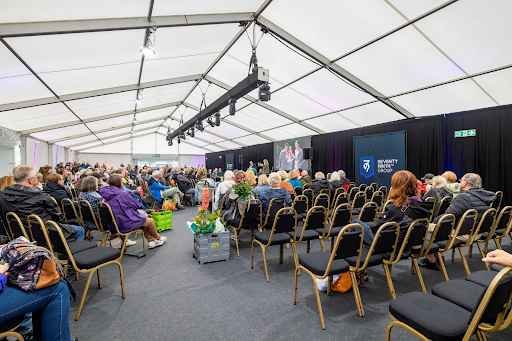
Marquees help create order within open and often unstructured festival environments. They act as controlled spaces where both organisers and visitors can operate more efficiently. Their role includes:
- Creating clearly defined zones for different activities, such as product displays, interactions, or rest areas
- Managing entry and exit points to guide movement and reduce congestion
- Offering sheltered areas that improve comfort and encourage longer engagement
In addition to these functions, marquees help organisers maintain better control over how space is used. This reduces confusion and allows visitors to navigate the event more easily.
How Marquees Enable Brand Engagement?
In addition to managing crowds, marquees support meaningful interaction between brands and audiences. They provide a controlled setting where engagement activities can take place smoothly. This includes:
- Setting up product demonstration areas where visitors can explore offerings directly
- Organising registration or sign-up counters without causing delays
- Creating interactive zones that encourage participation and engagement
These setups help brands maintain visibility and ensure that visitors can engage without disruption. A clearly defined space also improves the overall experience by making it easier for visitors to understand where activities are taking place.
How Large Tent Rentals Support Crowd Scale and Execution?
Managing large crowds at festivals requires setups that can adapt quickly to changing conditions. Large tent rentals for events help brands maintain control and consistency even when footfall varies throughout the day. They support execution in the following ways:
- Flexible sizing: Spaces can be adjusted based on expected crowd volume, helping avoid overcrowding or underutilised areas
- Quick deployment: Fast installation ensures readiness before peak visitor hours, reducing last-minute disruptions
- Adaptable layouts: Configurations can be modified to support different activities such as demos, interactions, or waiting areas
These advantages make it easier for brands to manage high footfall while maintaining a smooth and organised activation environment.
Key Planning Factors for Effective Marquee Use
To ensure that marquee setups function effectively, careful planning is required at every stage of the event. Important factors to consider include:
- Layout planning based on expected visitor numbers and activity zones
- Clear pathways to manage crowd flow and avoid congestion
- Compliance with safety standards and local regulations
- Coordination with event organisers, suppliers, and on-ground teams
Paying attention to these factors ensures that the marquee setup supports both operational efficiency and visitor satisfaction.
Conclusion
Well-planned infrastructure plays a critical role in the success of brand activation events, especially in large festival environments. Marquees help organise space, manage crowds, and support consistent engagement. They provide a practical way to handle high footfall while maintaining safety and comfort. With proper planning and execution, these setups allow brands to deliver effective on-ground experiences while managing large audiences in a controlled and organised manner.