

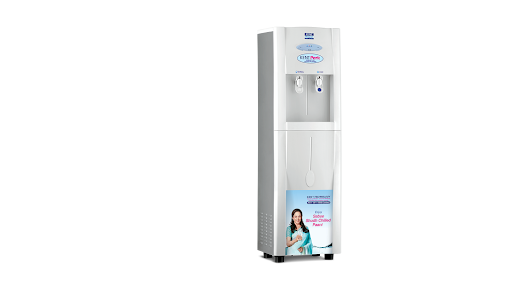
Many people intend to drink enough water but fall short during busy days. Long work hours, limited access, and uncertainty about water quality often reduce intake. Habit change usually requires more than reminders; it depends on how easily a task fits into daily routines. A water dispenser supports this shift by making drinking water convenient and reliable.
Accessibility Influences Hydration Patterns
Daily hydration is closely linked to how accessible water feels during routine activities. When reaching for water requires effort or disruption, intake is often delayed or skipped.
Visibility Encourages Regular Intake
A dispenser placed in shared or frequently used spaces acts as a constant visual reminder. Seeing it during normal movement encourages small, frequent sips rather than infrequent large intakes. Over time, this supports better hydration without requiring conscious tracking. This principle mirrors how well-positioned Cooking Appliances increase usage simply by being visible and easy to reach during daily activities.
Reduced Effort Supports Consistency
When people do not need to refill bottles, boil water, or search for clean sources, they drink more often. Removing these small barriers makes hydration easier to maintain throughout the day. Convenience plays a similar role in how household tools simplify routines.
Trust in Water Quality Builds Confidence
Water intake often declines when people doubt safety, taste, or cleanliness. Confidence in water quality directly influences how frequently people drink.
Clean Water Encourages Use
A dispenser connected to a reliable filtration or purification system assures safety. This confidence encourages regular use, especially in areas where tap water quality may vary. When people trust the source, they are less likely to delay or avoid drinking water during the day.
Taste Affects Habit Formation
Neutral-tasting water supports repeated intake, while an unpleasant taste discourages it. Consistent quality improves the likelihood of forming a regular hydration habit. This expectation reflects how users assess the reliability of cooking appliances before incorporating them into daily routines.
Temperature Options Support Daily Preferences
Hydration improves when water temperature aligns with different needs throughout the day. Flexibility removes hesitation and supports comfort.
Adapting to Different Routines
Cool water feels refreshing during warmer hours, while warm water suits morning routines or digestion-focused habits. A Water Dispenser offering temperature options allows water consumption to blend naturally into existing schedules.
Reducing Dependence on Sugary Drinks
When water is readily available and appealing, people are less likely to choose packaged or sugary beverages. Convenience plays a key role in healthier decision-making. Over time, this shift supports better hydration and reduces unnecessary calorie intake.
Routine Integration Shapes Long-Term Habits
Hydration becomes sustainable when it fits naturally into daily routines rather than standing apart from them.
Strategic Placement Matters
Placing a dispenser near kitchens, workspaces, or break areas links hydration to meals and rest periods. This connection helps reinforce regular intake without added effort. The approach reflects how placement influences behaviour with everyday household tools.
Shared Environments Reinforce Behaviour
In homes and offices, people often mirror each other’s actions. Seeing others drink water encourages the same behaviour, strengthening consistency through social reinforcement. Over time, this shared pattern helps normalise regular hydration.
Must Read: Eco-Friendly Water Filters: Reducing Plastic Waste
Practical Ways to Encourage Better Hydration
Simple environmental adjustments can support better habits without introducing new routines.
Everyday Hydration Practices
- Place the dispenser in high-use areas.
- Keep cups or bottles within easy reach.
- Encourage short water breaks during work or study.
- Pair water intake with meals or beverage preparation.
These steps follow the same logic used to optimise household efficiency through thoughtful placement and accessibility.
Conclusion
Hydration improves when the environment supports better choices. A water dispenser makes clean water easy to access and comfortable to drink. Visibility, trust in quality, and convenience work together to encourage regular intake throughout the day. When hydration becomes part of daily routines, much like using essential household tools, people drink more water with minimal effort.


