Outdoor living spaces have become a central part of how people use their homes. Whether you want a quiet corner for morning coffee or a large gathering area for family events, the structure beneath your feet matters more than most people realize. Investing in custom deck design services means working with professionals who plan every detail around your specific property, lifestyle, and long-term goals.
Why Custom Design Outperforms Pre-Built Options
Pre-fabricated deck kits are widely available, but they rarely account for the unique conditions of a specific yard. Lot grades, sun exposure, existing landscaping, and local building codes all influence what a deck should look like and how it should be built.
A custom approach starts with a site assessment rather than a product catalog. Designers measure the space, evaluate structural requirements, and develop a plan that fits the home rather than forcing the home to fit a plan.
Key Elements of a Well-Designed Deck
Good deck design involves more than choosing a wood species or composite material. Several factors work together to determine how functional and durable the finished structure will be.
- Structural framing: Joists, beams, and posts must be sized and spaced correctly for the load they will carry.
- Decking material: Options include pressure-treated lumber, cedar, redwood, hardwood, and composite boards, each with different maintenance requirements and lifespans.
- Railing systems: Railings must meet local code requirements for height and spacing while also complementing the overall aesthetic.
- Stairs and transitions: Access points between the deck and yard or interior spaces affect both safety and usability.
- Drainage and ventilation: Proper airflow beneath the deck prevents moisture buildup that leads to rot and structural damage over time.
What to Expect From Backyard Deck Design and Installation
The process of backyard deck design and installation typically moves through several defined phases. Understanding these phases helps homeowners set realistic expectations and avoid common delays.
Phase 1 – Consultation and Site Review
A professional builder visits the property to assess grade changes, proximity to the home’s foundation, and any obstacles like utility lines or mature trees. This information shapes the initial design concept.
Phase 2 – Design and Permitting
Detailed drawings are produced and submitted for building permits where required. Many jurisdictions require permits for decks above a certain height or square footage, and skipping this step can create problems during a future home sale.
Phase 3 – Material Selection
Homeowners choose materials based on budget, maintenance preferences, and visual goals. Timber frame elements, such as heavy post-and-beam details, are often incorporated to add architectural character that standard framing cannot achieve.
Phase 4 – Construction
Footings are poured, framing is assembled, and decking is installed in sequence. A reputable crew follows the approved plans and keeps the site organized to minimize disruption to the household.
Phase 5 – Inspection and Completion
A final inspection confirms that the structure meets code requirements. At this point, any finishing details like lighting, built-in seating, or pergola additions are completed.
Finding Qualified Deck Builders Near You
Searching for deck builders near you will return many results, but not all contractors have the same level of experience with custom timber construction. It is worth asking potential builders about their familiarity with permit processes, their approach to structural engineering, and whether they carry both general liability and workers’ compensation insurance.
Reviewing past project portfolios gives a clearer picture of a builder’s capabilities than any written description. Look for consistency in craftsmanship across different project types and sizes.
Timber Frame Details That Set Custom Decks Apart
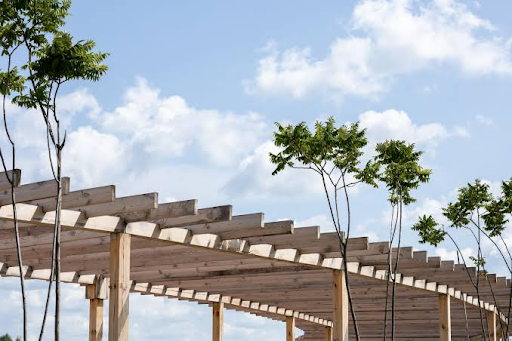
Heavy timber elements — exposed beams, decorative brackets, and substantial posts — give a deck a sense of permanence that lighter construction methods rarely achieve. These details also connect the outdoor structure visually to the home’s architecture, creating a cohesive look rather than an afterthought addition.
Conclusion
A well-planned deck adds usable square footage to a home and improves how a property functions day to day. Working with experienced professionals through every phase of design and construction is the most reliable way to achieve a result that holds up structurally, meets local codes, and genuinely suits the way a household lives.