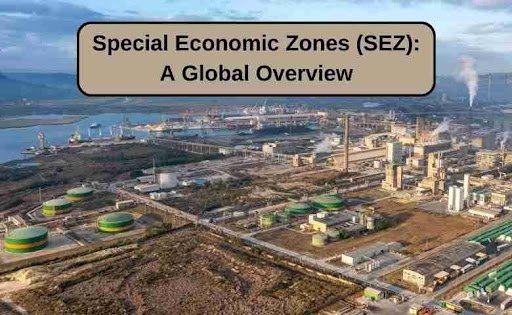
Special Economic Zones (SEZs) have gained prominence globally as engines of economic growth. They are geographical regions with relaxed regulations, designed to attract investments, promote exports, generate employment, and boost industrial growth. These zones play a crucial role in encouraging businesses to establish manufacturing facilities and service industries. However, as businesses and entrepreneurs navigate the complexities of SEZs, understanding legal and organizational structures, such as Limited Liability Partnerships (LLPs), becomes vital. In this comprehensive article, we’ll discuss why knowledge of the LLP full form is necessary in the context of Special Economic Zones and how these two concepts interconnect in the broader landscape of economic development.
What Are Special Economic Zones (SEZs)?
Special Economic Zones are areas within a country’s territorial boundaries that enjoy specific economic regulations different from the rest of the nation. These regulations may include tax exemptions, streamlined processes for business operations, duty-free imports and exports, and simplified legal frameworks to encourage business activities. SEZs aim to improve the industrial ecosystem and facilitate foreign and domestic investments.
The concept of SEZs can be traced back to the establishment of free ports, free-trade zones, or export processing zones. However, Special Economic Zones are broader in scope and facilitate multiple forms of economic activities, ranging from manufacturing and trade to services such as IT, logistics, and consulting.
Understanding LLP Full Form: What Is LLP?
Before diving deeper into the relationship between Special Economic Zones and Limited Liability Partnerships, it is important to understand the term ‘LLP.’ LLP stands for Limited Liability Partnership, a hybrid type of business structure that combines the features of a partnership with those of a corporate body. LLPs were introduced to offer businesses more flexibility and protection.
In an LLP structure, partners are not personally liable for the debts or liabilities of the business beyond their individual capital contributions. This modality of partnerships allows for efficient collaboration while ensuring inherent legal protection for each member, making it highly suitable for ventures tailored to operate within SEZs.
Why SEZs Are Attractive to Businesses
Special Economic Zones are attractive because they mitigate several challenges that businesses face in traditional economic environments. These zones deliver the following benefits:
- Tax Incentives: Companies operating in SEZs often enjoy reduced corporate taxes, exemption from customs duties, and other tax-related benefits.
- Ease of Doing Business: Governments often simplify regulatory requirements, assistance in acquiring land, and approvals for businesses to set up operations.
- Infrastructure Development: SEZs are designed to support businesses with state-of-the-art infrastructure, adequate transport facilities, and energy resources.
- Export-Driven Policies: SEZs encourage export-oriented growth by offering suitable policies that enhance a company’s ability to compete in global markets.
Given these advantages, it is clear why SEZs are instrumental in driving economic growth. Companies seeking to establish operations in SEZs must ensure that their organizational structure is aligned with the benefits offered and the regulatory requirements. This is where Limited Liability Partnerships often come into play.
The Interconnection: SEZs and LLPs
To fully utilize the benefits of Special Economic Zones, businesses need to adopt the right operational structure. Limited Liability Partnerships emerge as an attractive choice within this context. Why does knowing the LLP full form matter for businesses operating in SEZs? Here’s how they interconnect:
- Operational Flexibility
SEZs demand agility from businesses to scale operations and adapt to market conditions. The LLP structure fosters flexibility by allowing partners to share operational responsibilities while managing risks effectively. LLPs are especially favorable for businesses that prioritize shared decision-making and a streamlined operational approach.
- Tax Efficiency
One of the major attractions of SEZs is their favorable tax policies. LLPs, being tax-efficient entities, allow businesses to further optimize their tax liabilities by taking advantage of SEZ-specific exemptions. In some cases, LLPs may also benefit from pass-through taxation, where profits are not taxed at the entity level.
- Risk Mitigation
Businesses that establish operations in SEZs often bear risks associated with international trade, logistics, and fluctuating global markets. LLPs shield the partners from personal liability, which means they are not exposed to the partnership’s debts. This risk mitigation mechanism becomes a critical advantage for companies venturing into SEZs.
- Legal Framework
Special Economic Zones often have slightly relaxed legal frameworks, attracting small and medium-sized businesses. LLPs fit seamlessly into these frameworks as they require minimal compliance compared to traditional companies, while still offering legal stability.
Benefits of LLP for Businesses in SEZs
For companies establishing operations in Special Economic Zones, LLPs have several advantages:
- Simplified Legal Requirements: SEZs often facilitate smoother compliance processes, which align well with the simple and straightforward registration and operational procedures of LLPs.
- Scalability: LLP structures allow businesses operating in SEZs to scale operations, add capital, and bring in new partners effortlessly.
- Investment-Friendly: LLPs are perceived positively by domestic and international investors due to their liability protections. Investors in SEZ-based businesses know their contributions remain secure within the legal framework of LLPs.
- Collaborative Models: SEZ opportunities often involve collaborating across industries and geographies. LLPs, being inherently partnership-based, encourage collaboration between multiple stakeholders.
- Compliance with SEZ-Specific Rules: LLPs can easily fulfill the specific regulations required to operate in SEZs, as they are highly adaptable in nature.
Exploring the Registration Process: LLP Setup in SEZs
For businesses looking to operate in Special Economic Zones, understanding the LLP registration process is crucial. Here’s a simplified step-by-step guide:
- Obtain Digital Signature Certificates (DSCs): Partners must obtain DSCs to submit electronic documents for registration.
- Apply for Director Identification Numbers (DINs): Filing for DINs is required for designated partners in the LLP.
- Reserve Name Approval: A business must apply for the approval of its chosen name using the RUN-LLP portal provided by the Ministry of Corporate Affairs (MCA).
- File Incorporation Documents: Submit the incorporation documents, including the LLP Agreement, with the Registrar of Companies (ROC).
- Obtain Registration Numbers: After verification, the ROC issues the Certificate of Incorporation and LLP identification number.
Post-registration, companies can begin operations in SEZs under the LLP structure while leveraging the economic advantages offered by these zones.
The Role of LLPs in Driving Economic Growth Through SEZs
SEZs are designed to attract investment and encourage economic growth, and business structures like LLPs complement this purpose seamlessly. When businesses are incentivized through reduced tax burdens, efficient legal frameworks, and relaxed regulatory compliances in SEZs, the ease and flexibility of the LLP structure amplify the benefits. This dual advantage is crucial for economic development at both regional and national levels.
Governments often promote the establishment of LLPs within SEZs to attract foreign investments, streamline operational processes, and ensure transparent legal frameworks. By channeling investments into SEZs while ensuring simplified compliance through LLP setups, governments can realize their long-term economic goals more effectively.
Challenges of LLPs in SEZs
Despite their advantages, LLPs and SEZs may face certain challenges:
- Complex Regulatory Overlaps: While SEZs attract investments through relaxed rules, businesses may encounter overlaps between SEZ regulations and LLP-specific requirements.
- Capital Raising Limitations: LLPs have certain limitations when it comes to raising equity as compared to corporations, which may deter large-scale investors in SEZ projects.
- Limited Awareness: Entrepreneurs setting up operations in SEZs may need more awareness about LLP benefits, creating barriers to adoption.
- Global Competitions: SEZs with inconsistent policy frameworks can make LLPs less attractive to international investors.
Conclusion: The Need to Know LLP Full Form in the Context of SEZs
Special Economic Zones are crucial economic models, enabling governments to strengthen industrial ecosystems and improve global competitiveness. The adoption of organizational structures like LLPs within SEZs plays a vital role in optimizing regulatory, financial, and operational dynamics.
Knowing the LLP full form and understanding its core benefits can empower businesses to make informed decisions that align with SEZ-specific incentives. Entrepreneurs and investors planning to venture into SEZs must explore how LLPs can complement their business objectives. By leveraging the flexibility, tax benefits, and risk mitigation offered by LLPs, businesses can truly thrive in SEZs and contribute to economic growth.
Ultimately, Special Economic Zones and Limited Liability Partnerships are two strong pillars of economic development. Their seamless synergy promises incredible opportunities for businesses aiming for growth, efficiency, and increased profitability. Understanding these concepts holistically is not just an option—it is a necessity for success in today’s globalized economy.
For more information: https://flywiththought.com/