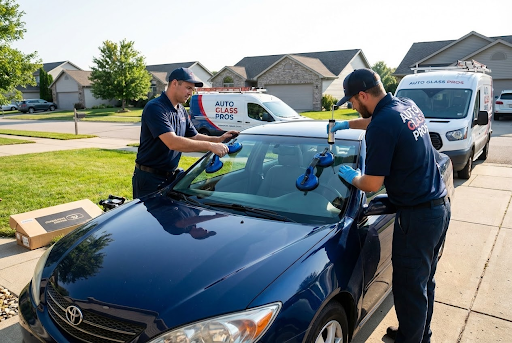
Professional windshield replacement services address damaged, cracked, or compromised windshields ensuring passenger safety, structural integrity, and code compliance. This comprehensive guide covers when replacement becomes necessary, the professional installation process, safety considerations, and how windshield replacement differs from repair in protecting vehicle occupants.
When Windshield Replacement Becomes Necessary
Damage Severity Assessment
Repair-eligible cracks/chips:
- Small chips (< ¼ inch): Resin injection restores strength
- Short cracks (< 12 inches): Resin treatment prevents spread
- Damage outside driver’s sight lines: Repairs preserve vision
Replacement-required damage:
- Large cracks (> 12 inches): Compromise structural integrity
- Damage in driver’s direct line of sight: Safety hazard
- Multiple damage areas: Cumulative weakness
- Delamination (layers separating): Safety failure
- Edge cracks (< 1 inch from edge): Compromise mounting strength
Professional assessment ($0-50) determines repair viability; most damage requires replacement ensuring safety.
Safety Considerations
Modern windshields serve critical safety functions:
- Structural support: Prevent roof collapse during rollovers
- Airbag deployment: Proper windshield positioning ensures correct airbag function
- Vision clarity: Driver visibility critical for collision avoidance
- Water/debris protection: Prevent entry during driving
Compromised windshields fail these functions, creating unacceptable safety risks.
The Professional Windshield Replacement Process
Step 1: Vehicle Assessment
Technicians evaluate:
- Damage extent and location
- Windshield type (laminated glass, acoustic glass, heated elements)
- Vehicle age and model specifics
- Factory adhesive type
- Special features (sensors, cameras, heating elements)
This assessment determines proper replacement procedure and part specifications.
Step 2: Proper Glass Removal
- Carefully extract damaged windshield (prevents paint damage)
- Remove residual adhesive from frame
- Clean frame thoroughly (ensures proper new glass adhesion)
- Inspect frame for damage or corrosion
Professional removal prevents frame damage costing additional $500-2,000 repairs.
Step 3: Frame Preparation
- Apply primer (for frames requiring treatment)
- Position adhesive bead (urethane sealant, specifically formulated for automotive use)
- Prepare new glass for installation
Proper frame preparation ensures windshield structural strength and waterproofing.
Step 4: New Windshield Installation
- Position new windshield carefully (alignment critical)
- Apply consistent pressure ensuring even adhesive contact
- Check alignment (proper frame-to-glass fit)
- Verify seal integrity (prevents leaks)
Professional installation takes 1-2 hours; adhesive cures within 24 hours before safe driving.
Step 5: Quality Verification
- Visual inspection (seal integrity, alignment, trim fit)
- Leak testing (water spray confirms sealing)
- Trim installation (rubber seals, moldings)
- Cleanup (adhesive residue removal, glass chip collection)
Professional verification ensures workmanship standards and customer satisfaction.
Windshield Types & Replacement Implications
Standard Laminated Glass
Construction: Two glass layers bonded with plastic interlayer
Performance: Shatters into small granules (safer than sharp shards)
Cost: $200-400 replacement
Installation: Standard procedure, 1-2 hours
Acoustic Glass (Premium)
Construction: Extra plastic interlayer reduces cabin noise
Performance: Enhanced quietness, laminated safety
Cost: $400-700 replacement
Installation: Same process as standard, slight premium
Heated Windshield
Construction: Thin heating element embedded in glass
Performance: Defrost capability, safety feature
Cost: $600-1,200 replacement
Installation: More complex (electrical connection required), 2-3 hours
Tinted Windshield
Construction: Tint applied to glass surface
Performance: UV protection, cabin cooling
Cost: $300-600 replacement
Installation: Requires proper tinting application during manufacturing
Safety & Insurance Considerations
Structural Integrity
Windshields contribute significantly to vehicle rigidity during rollovers (up to 60% of structural support in some vehicles). Replacement windshields meeting OEM specifications ensure:
- Proper roof support during accidents
- Airbag deployment integrity
- Passenger compartment protection
Insurance Coverage
Most policies cover windshield replacement through:
- Comprehensive coverage: Often includes glass replacement
- Deductible options: Many carriers offer $0 deductible for glass
- OEM requirement: Insurance typically covers OEM parts (equivalent aftermarket parts often acceptable)
Professional documentation supports insurance claims.
Code Compliance
DOT regulations require:
- Proper glass strength standards (safety glass, not ordinary glass)
- Correct sealant types (structural adhesive, not silicone)
- Professional installation (ensures compliance)
- Proper curing time before vehicle operation
Non-compliant installations create liability and fail safety inspections.
Timeline & Cost Factors
Typical replacement timeline:
- Assessment/scheduling: 0-2 days
- Installation day: 1-2 hours on-site
- Curing time: 24 hours (no driving)
- Total project: 1-3 days
Cost variables:
- Vehicle make/model (some specialty windshields premium)
- Features (heated glass, sensors, cameras increase cost)
- Insurance coverage (affects customer out-of-pocket)
- Deductible amount
- Geographic location
Preventive Care & Protection
Avoiding Future Damage
- Maintain safe distance from trucks (road debris source)
- Avoid temperature shocks (rapid heating/cooling weakens glass)
- Park in shaded areas (extreme heat stress)
- Avoid slamming doors (vibration can crack stressed glass)
Quick Repair Philosophy
Small chips repair much cheaper ($75-150) than replacement ($200-700); addressing damage immediately prevents spread into replacement territory.
Conclusion
Professional windshield replacement services ensure structural safety, regulatory compliance, and proper vehicle function through expert installation meeting OEM specifications. Understanding when replacement becomes necessary, the installation process, and safety implications empowers vehicle owners to make informed decisions protecting occupants and maintaining vehicle integrity.