

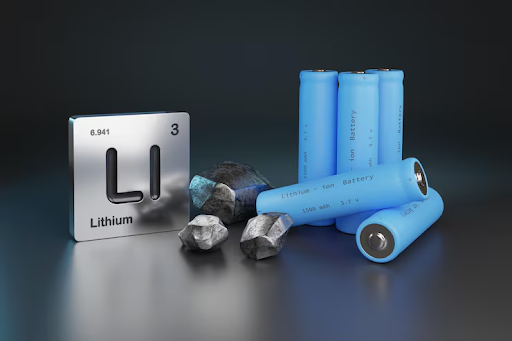
Fishing has evolved dramatically over the past decade, and one of the most significant technological advancements transforming the sport is the adoption of lithium battery for trolling motor systems.
Traditional lead-acid batteries have long dominated the fishing world, but lithium technology is revolutionizing how anglers power their vessels, offering dramatically improved performance, longevity, and reliability.
Whether you’re a weekend angler or a serious tournament fisherman, understanding why lithium batteries outperform conventional options can fundamentally change your fishing experience. Modern trolling motor lithium batteries deliver superior power delivery, extended runtime, and maintenance-free operation that fishing enthusiasts increasingly demand.
The Performance Advantage of Lithium Trolling Motor Batteries
Traditional lead-acid batteries suffer from significant power loss as they discharge. You’ll notice your trolling motor’s thrust diminishing noticeably once battery charge drops below 50%. Lithium trolling motor batteries maintain consistent power delivery throughout their discharge cycle—delivering full thrust until near complete depletion. This consistent performance proves invaluable when you’re navigating shallow structures, fighting currents, or making precise position adjustments over productive fishing zones.
The runtime advantage becomes immediately apparent on the water. A quality lithium battery for trolling motor applications delivers substantially more usable capacity than lead-acid alternatives of comparable weight and size. Anglers consistently report extending fishing sessions by 30-50% using identical trolling motor configurations powered by lithium instead of traditional batteries. This extended runtime means more productive fishing time and fewer shortened days caused by depleted batteries.
Weight and Portability Benefits
Lithium trolling motor batteries weigh approximately 60% less than lead-acid equivalents providing identical power. This dramatic weight reduction transforms boat handling, particularly for smaller vessels where weight distribution critically affects stability and performance. Lighter boats require less power to achieve target speeds, improving fuel efficiency and reducing operational costs. The reduced weight also enables anglers to relocate battery placement, reorganizing boat layouts for improved fishing platform access.
Lifespan and Long-Term Value
Lead-acid batteries typically survive 300-500 complete charge cycles before significant degradation. Most anglers replace lead-acid batteries every 2-3 seasons, despite considerable upfront investment. Lithium batteries endure 3,000-5,000 complete cycles, translating to 7-10+ years of reliable service under normal usage conditions. While lithium batteries command higher initial costs, calculating cost-per-year of service reveals substantial long-term savings. Additionally, lithium batteries maintain capacity more effectively—a 5-year-old lithium battery retains 85-90% capacity, while comparable aged lead-acid batteries often operate at 40-50% efficiency.
Maintenance-Free Operation
Lead-acid battery ownership demands ongoing maintenance. Regular water level checks, terminal corrosion cleaning, and equalization charging extend battery lifespan. Lithium batteries eliminate these requirements entirely. Built-in Battery Management Systems (BMS) automatically regulate charging, prevent overcharging, and protect against deep discharge—eliminating user responsibility for complex maintenance procedures. This maintenance-free operation particularly appeals to casual anglers preferring straightforward boat operations.
Charging Efficiency and Convenience
Modern lithium trolling motor batteries charge substantially faster than lead-acid alternatives. What requires 8-12 hours for lead-acid typically completes in 2-4 hours with lithium technology. This rapid charging enables midweek charging cycles, allowing weekend fishing preparation without extended charging periods. Smart chargers specifically designed for lithium batteries include diagnostic features, automatic charging termination, and temperature monitoring—ensuring optimal charging conditions and maximum battery longevity.
Temperature Performance Advantages
Lithium chemistry tolerates wider temperature ranges than lead-acid batteries. While lead-acid performance degrades significantly in cold conditions, lithium batteries maintain functionality in sub-freezing environments common in northern fishing regions. This cold-weather reliability proves critical for early spring and late fall fishing when water temperatures drop and lead-acid batteries struggle to deliver consistent power.
Environmental Benefits
Lithium batteries eliminate the environmental concerns associated with lead-acid disposal. Lead-acid batteries contain toxic materials requiring specialized recycling, creating disposal challenges and environmental risks. Lithium technology presents cleaner environmental impact, aligning with conservation values important to fishing communities. Additionally, extended service life reduces overall resource consumption and waste generation compared to frequently replaced lead-acid batteries.
Integration Considerations
Upgrading to a lithium battery for trolling motor requires minimal modifications for modern trolling motors. Newer motors accommodate standard lithium battery voltages (12V, 24V, 36V systems). Legacy trolling motors may require compatible battery configurations or chargers. Most manufacturers provide straightforward transition guidance, and professional retailers offer installation support ensuring proper system integration.
Conclusion
The transition to lithium batteries for trolling motor applications represents a genuine performance upgrade, not merely a trendy product alternative. Superior power delivery, extended runtime, reduced maintenance, and exceptional longevity combine to create a compelling case for modern anglers seeking reliable, efficient trolling motor power. While initial investment exceeds traditional lead-acid options, the long-term value proposition—measured in performance, convenience, and overall cost-per-year of operation—proves difficult to ignore. Serious anglers upgrading to quality lithium trolling motor batteries consistently report improved fishing satisfaction and results that justify the transition.


