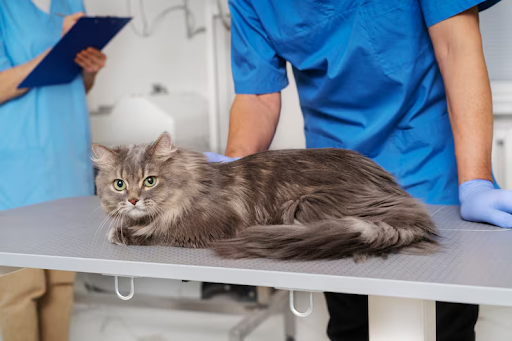
When a pet presents with complex or unclear symptoms, advanced veterinary imaging in Maryland provides the diagnostic clarity that general physical examination and routine laboratory work cannot. A veterinary imaging center offering MRI, CT, and fluoroscopy gives neurologists and other specialists the ability to see inside the living animal in extraordinary detail — identifying brain lesions, spinal cord compression, tumours, fractures, and vascular abnormalities that would otherwise remain invisible.
Advanced veterinary imaging is not a replacement for clinical examination — it is a powerful complement that confirms neuroanatomical localisation, guides treatment decisions, and in many cases determines whether a condition is surgical, medical, or palliative in nature.
Types of Advanced Veterinary Imaging
Magnetic Resonance Imaging (MRI)
MRI is the gold standard imaging modality for evaluating the brain, spinal cord, and soft tissue structures in veterinary patients. It produces detailed, multi-planar images of neural tissue without ionising radiation, allowing precise identification of disc herniations, brain tumours, inflammatory spinal cord disease, infarctions, and developmental malformations.
Veterinary MRI requires general anaesthesia to ensure patient stillness during the scanning process, which typically takes 45 to 90 minutes. The resulting image quality is directly comparable to human MRI and provides neurologists with the information needed to localise lesions precisely and plan treatment accordingly.
Computed Tomography (CT)
CT scanning provides rapid, detailed cross-sectional imaging with particular strength in evaluating bony structures, vascular lesions, and thoracic and abdominal pathology. CT is faster than MRI and is often preferred for trauma cases, vascular anomalies, and pre-surgical planning for orthopaedic or thoracic procedures. In neurology, CT myelography — combining CT with spinal contrast injection — is used to evaluate spinal cord compression in patients for whom MRI is not available or appropriate.
Fluoroscopy
Fluoroscopy provides real-time moving X-ray images, making it invaluable for swallowing studies, dynamic cervical spine evaluation, and interventional procedures. In veterinary neurology, fluoroscopic guidance is used during certain spinal interventions and to evaluate aspiration risk in patients with megaoesophagus or pharyngeal dysfunction.
When Is Advanced Veterinary Imaging Recommended?
A veterinary neurologist will typically recommend advanced imaging after completing a neurological examination that identifies a probable lesion location. The imaging confirms or refines that localisation and provides information about the nature of the pathology. Common indications include:
- Seizures of unknown cause, particularly in older animals
- Progressive or acute spinal cord signs requiring surgery planning
- Suspected brain tumour, inflammatory brain disease, or vascular event
- Peripheral nerve or muscle disease requiring biopsy guidance
- Unexplained weakness, pain, or altered consciousness
What to Expect at a Veterinary Imaging Centre
Most advanced veterinary imaging is performed at specialist referral centres rather than general practices, which lack the capital equipment and radiological expertise required. At a dedicated veterinary imaging centre, patients are assessed on the day of their appointment, anaesthesia is induced and monitored by a veterinary anaesthesiologist or experienced technician, and imaging is performed and interpreted by or under the supervision of a board-certified veterinary radiologist or neurologist.
Owners typically wait two to four hours for completion of the procedure and initial image interpretation. A full written report is usually available within 24 to 48 hours and is shared with both the referring veterinarian and the owner.
Conclusion
Advanced veterinary imaging in Maryland gives pet owners and their veterinary teams the diagnostic precision needed to make confident, informed treatment decisions for complex neurological, orthopaedic, and oncological conditions. When specialist imaging is recommended, it represents an investment in the most accurate possible understanding of what is happening inside your pet — the foundation of truly effective care.