

A few years ago, a logistics company I worked with ran into a strange problem. Their delivery agents were getting calls late at night—from customers, from vendors, sometimes even from people who had simply saved their numbers during a past interaction. What started as “good customer service” quickly turned into a privacy issue.
That’s usually when businesses start paying attention to phone number masking.
When Sharing Numbers Stops Being Harmless
In many business setups—ride-hailing, e-commerce, real estate, even SaaS onboarding—people connect over calls all the time. A sales rep calls a lead. A support agent calls a customer. A driver calls a buyer.
On paper, it looks simple. In reality, it creates a trail of personal phone numbers floating around.
I’ve seen cases where:
- Sales teams get bypassed because clients directly call agents later
- Customers complain about unsolicited follow-ups
- Field staff feel exposed because their personal numbers are shared too often
That’s where phone number masking quietly fixes things without disrupting communication.
What Changes When Masking Is in Place
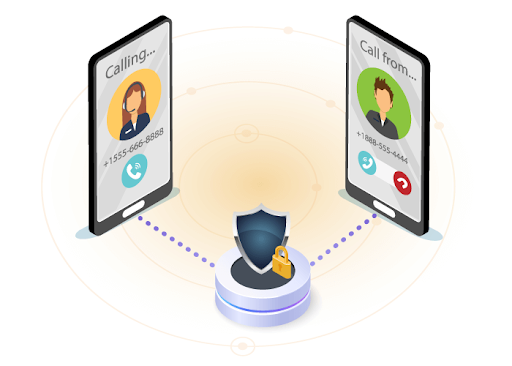
Instead of connecting two real numbers directly, the system places a virtual number in between. Both sides can call or receive calls, but neither sees the other’s actual number.
It sounds like a small tweak. It isn’t.
A real estate platform I once consulted for started using masking for buyer-seller communication. Within weeks:
- Agents reported fewer off-platform deals
- Customer complaints dropped
- Internal tracking became much cleaner
No dramatic overhaul. Just controlled communication.
It’s Not Just About Privacy Anymore
Most people assume masking is only for protecting phone numbers. That’s part of it, sure. But businesses usually adopt it for control.
Think about it:
- You decide when communication starts and ends
- You keep conversations tied to your platform
- You avoid losing visibility when deals move offline
For SaaS companies especially, this matters more than it seems. Once a conversation leaves your system, so does your data.
Where “Click to Dial” Fits In
Now add click to dial into the mix, and things get smoother.
Instead of manually dialing numbers, agents just click and connect instantly—often through the same masked setup. It saves time, reduces dialing errors, and keeps everything logged properly.
I’ve seen support teams cut down call handling time just by removing the friction of manual dialing. It’s one of those small features that quietly improves daily operations.
A Quick Scenario You’ll Recognize
Imagine a marketplace platform:
- A customer wants to talk to a seller
- The platform connects the call using a masked number
- The seller responds, the deal moves forward
- Once the transaction is done, the number stops working
No personal numbers exchanged. No follow-up calls outside the platform. No confusion about who said what.
Now compare that to a setup without masking. Things get messy fast.
Why Teams Actually Stick With It
From what I’ve seen, companies don’t adopt phone number masking just because it sounds good. They stick with it because it solves everyday headaches:
- Keeps agents from getting random calls after work
- Stops customers from bypassing official channels
- Maintains clean communication records
- Reduces misuse of contact data
And honestly, once a team gets used to it, going back feels risky.
What to Think About Before You Set It Up
If you’re considering it, don’t overcomplicate things. Focus on:
- Where your team shares phone numbers today
- Which interactions need to stay within your system
- How your sales or support teams currently make calls
- Whether adding click to dial can remove manual effort
Start small if needed. One team, one workflow. You’ll notice the difference pretty quickly.
It’s interesting—most businesses don’t think about communication privacy until something goes wrong. A complaint, a missed deal, a frustrated employee.
But once phone number masking is in place, things just run… cleaner. Not louder, not flashier. Just more controlled, more predictable, and a lot easier to manage day to day.


